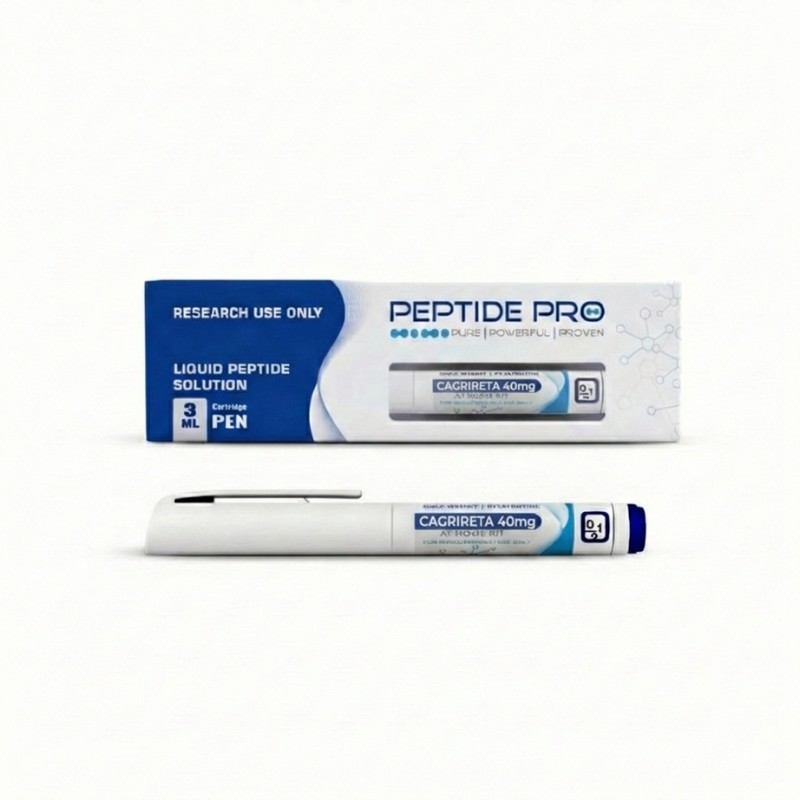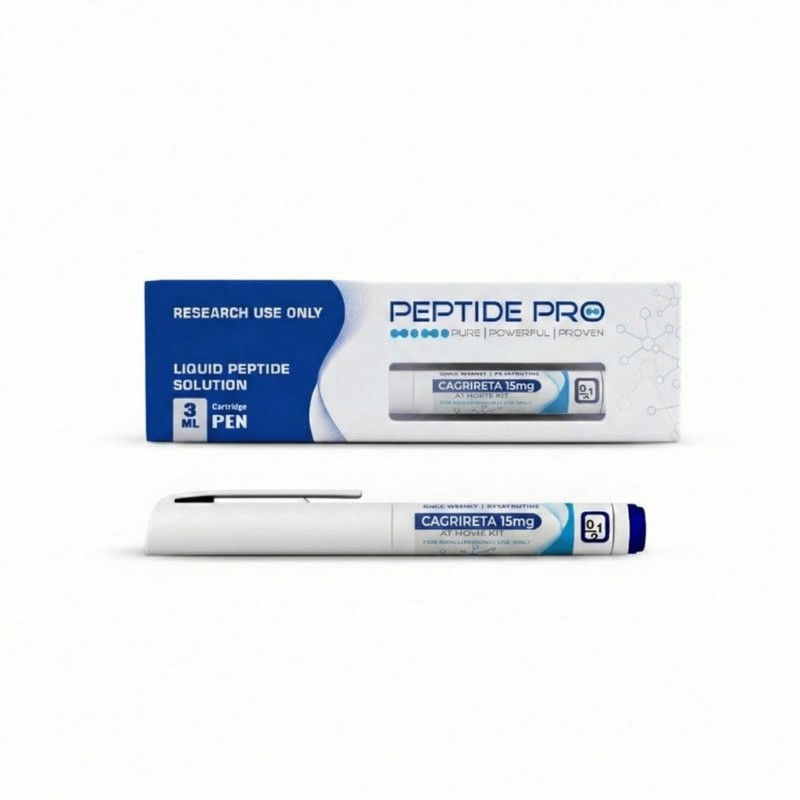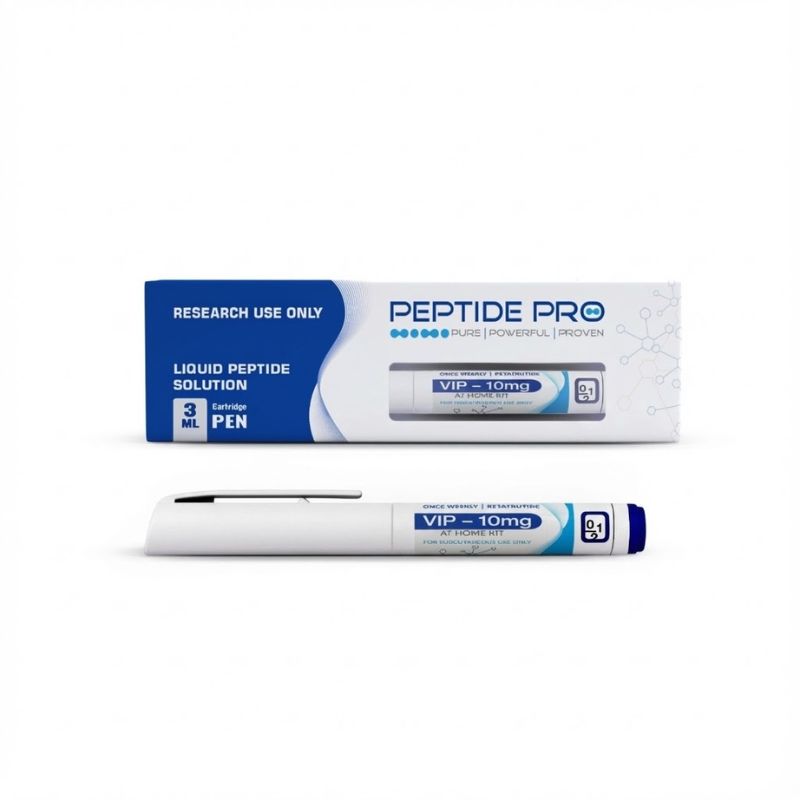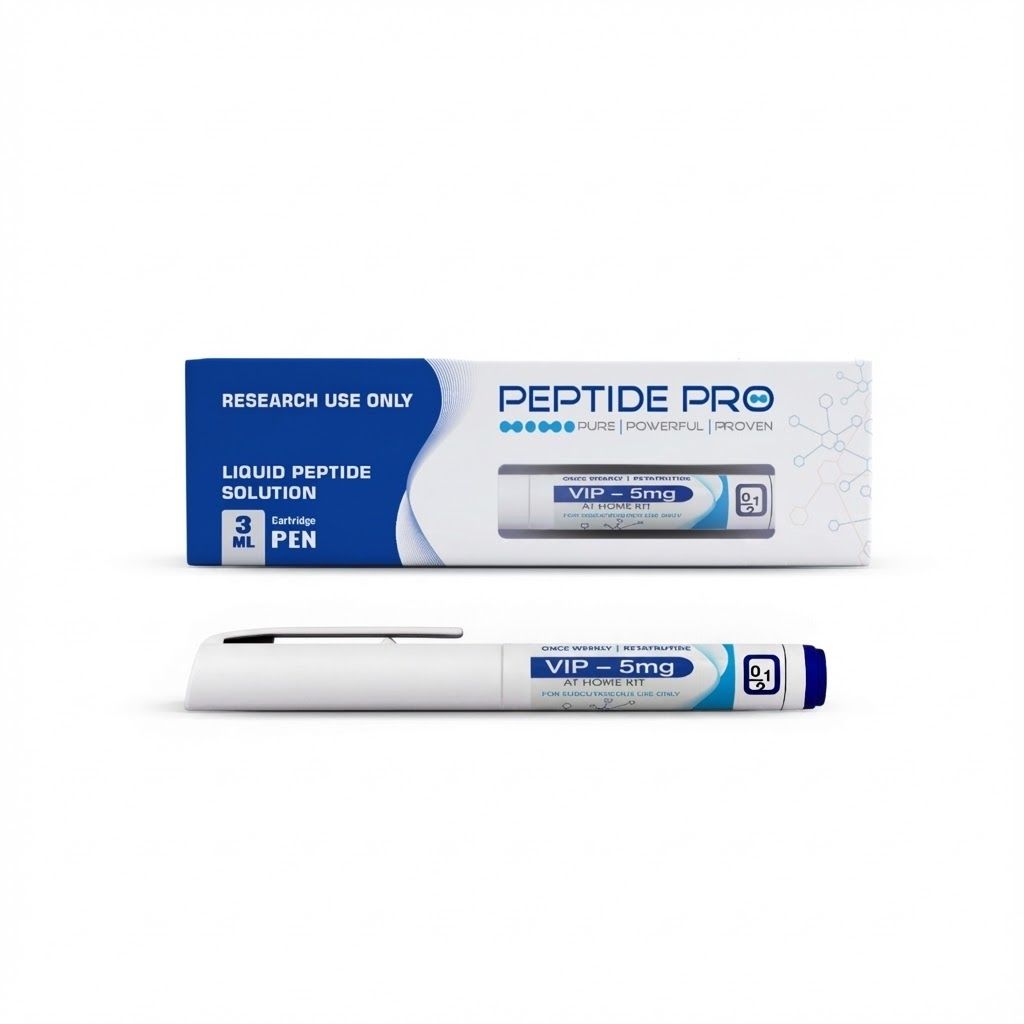

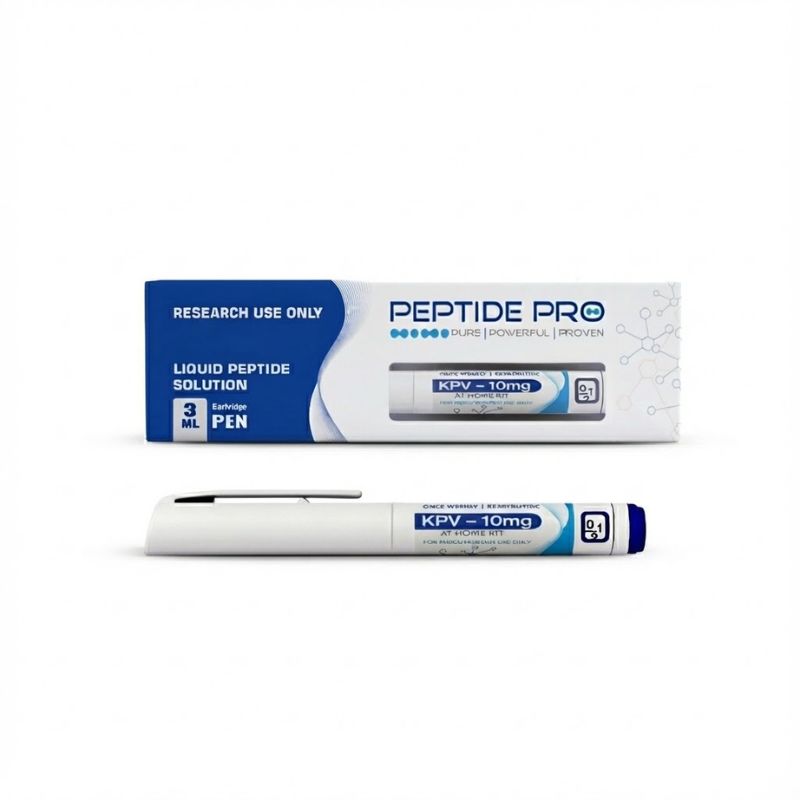
| Specification | Detail |
| Category | Anti-Inflammatory & Antimicrobial Research |
| Product Name | KPV ($\alpha$-MSH 11-13) |
| Quantity | 10mg (Total Active API) |
| Formulation | Sterile Lyophilised Solution in Bacteriostatic Water |
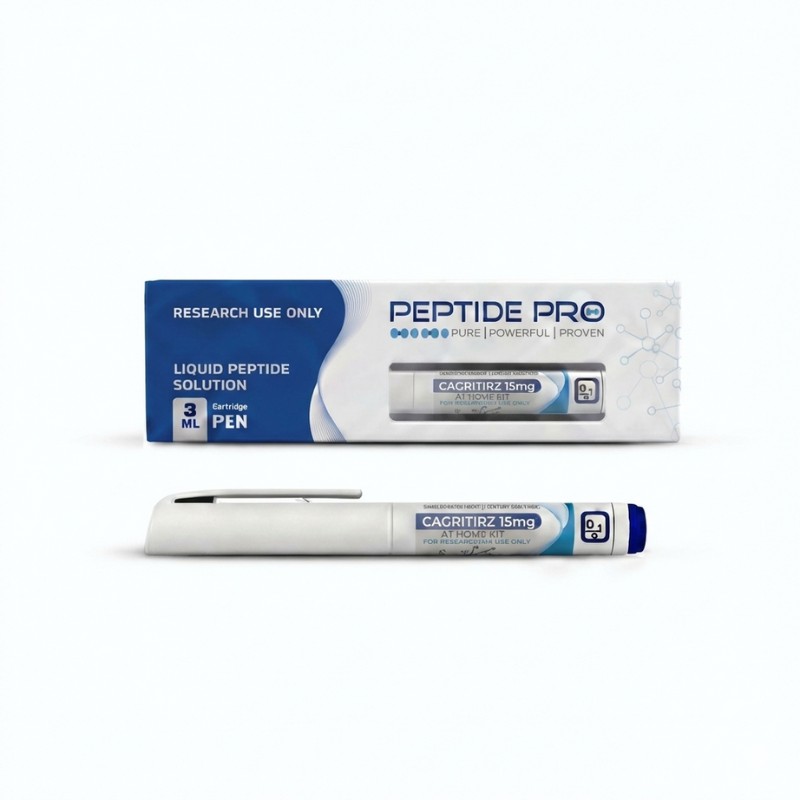
| Delivery Method | 3ml Precision Reconstituted Pen |
| CAS Number | 67727-97-3 |
| Molecular Formula | $C_{16}H_{30}N_{4}O_{4}$ |
| Molecular Weight | $\approx 342.43 \text{ g/mol}$ |
| Purity | >98% (HPLC Analysis) |
£109.00
Abstract The KPV 10mg peptide pen contains a precise formulation of the C-terminal tripeptide fragment (Lysine-Proline-Valine) of alpha-Melanocyte Stimulating Hormone (α-MSH). While the full α-MSH molecule activates melanocortin receptors to induce pigmentation and sexual arousal, the truncated KPV sequence retains only the potent anti-inflammatory and antimicrobial properties, devoid of any melanogenic activity. This 10mg formulation is the reagent of choice for research into non-steroidal immunomodulation, specifically investigating the intracellular inhibition of the NF-κB pathway. It is widely utilised in models of inflammatory bowel disease (IBD), dermatitis, and allergic airway inflammation to separate the anti-inflammatory signal from the systemic endocrine effects of the parent hormone.
Primary Biological Pathway: NF-κB Inhibition The defining mechanism of KPV is its ability to enter cells via the PepT1 transporter and exert effects directly within the nucleus. Research demonstrates that KPV interacts with the p65 subunit of Nuclear Factor-kappa B (NF-κB), preventing its translocation into the nucleus. This blockade inhibits the transcription of pro-inflammatory cytokines such as TNF-α, IL-6, and IL-1$\beta$. The 10mg pen is extensively used in murine models of ulcerative colitis to quantify the reduction in mucosal inflammation and verify the preservation of epithelial barrier integrity.
Secondary Research Finding: Antimicrobial and Antifungal Activity KPV exhibits distinct antimicrobial properties that are the subject of intense investigation in the era of antibiotic resistance. Studies utilise the 10mg concentration to assess its efficacy against Staphylococcus aureus and Candida albicans. The peptide appears to disrupt the transmembrane potential of microbial cells without exhibiting cytotoxicity towards mammalian cells. Current protocols are exploring its utility as a topical agent in wound healing models to prevent biofilm formation while simultaneously reducing host inflammation.
Tertiary Research Finding: Dermatological Immune Regulation Beyond the gut, KPV is a key target for dermatological research. It is investigated for its ability to mitigate allergic contact dermatitis and psoriasis-like inflammation. Researchers use the 10mg pen to deliver localised doses in skin explant models, measuring the suppression of histamine release from mast cells and the reduction of oedema. This research aims to position KPV as a safer alternative to topical corticosteroids, which often cause skin atrophy with chronic use.
Long-term Genomic and Safety Observations A crucial advantage of KPV is its lack of binding affinity for the MC1 receptor (responsible for pigmentation) and MC4 receptor (responsible for appetite/arousal). Genomic profiling confirms that KPV administration does not upregulate melanogenesis-related genes (MITF, Tyrosinase). Safety pharmacology studies are currently using the 10mg dose to validate that chronic anti-inflammatory therapy with KPV does not lead to the immunosuppression risks associated with broad-spectrum biologics.
Purity: Validated at >98+% via High-Performance Liquid Chromatography (HPLC). We ensure the tripeptide is free from synthesis by-products that could interfere with PepT1 transport kinetics.
Appearance: The 3ml pen contains a clear, colourless, sterile liquid.
Precision: The pen delivery system features a micro-click mechanism, allowing for the administration of precise micro-volumes. This is essential for titration studies in small animal models where dose-dependent cytokine suppression is being mapped.
Storage: The product must be stored at 2∘C to 8∘C.
Refrigeration and Shelf Life The KPV 10mg Pen contains a stable tripeptide but requires refrigeration (2∘C to 8∘C) to prevent hydrolysis. The shelf life is 12 months in the sealed state. Once the pen is accessed, the bacteriostatic environment preserves the solution for 28 days. Although KPV is structurally robust, researchers should aim to complete their experimental cohorts within this 28-day window to ensure maximum anti-inflammatory potency.
Shipping Stability We utilise medical-grade thermal packaging. The peptide is stable for up to 72 hours at ambient UK temperatures. However, to ensure the peptide arrives ready for immediate cellular uptake assays, we recommend selecting the fastest available shipping option.
Freezing Warning Do not freeze. Freezing can cause the peptide to precipitate out of the solution. Upon thawing, the solution may become non-homogenous. In sensitive antimicrobial assays, using an aggregated peptide can lead to variable Minimum Inhibitory Concentration (MIC) data. A frozen pen should be discarded.
The KPV 10mg Pen is the definitive tool for Targeted Anti-Inflammatory Research. Investigating immune modulation often involves separating the desired anti-inflammatory effect from unwanted hormonal side effects. Using full-length α-MSH confounds data by inducing pigmentation and behavioural changes.
Our KPV pen isolates the anti-inflammatory signal. It provides a sterile, concentration-verified solution that allows researchers to attribute observed improvements in colitis or dermatitis strictly to NF-κB inhibition, providing clean data for publication.
For researchers investigating tissue repair and gut health, we recommend examining:
BPC-157 10mg: (For comparative studies on angiogenic and cytoprotective gut repair).
TB-500 10mg: (For research into actin-mediated wound closure).
This product is strictly for Research Use Only (RUO). It is not intended for human consumption, injection, therapeutic use (e.g., for treating psoriasis or Crohn’s disease), or diagnostic procedures. The information provided is for educational and scientific reference only. Purchase is restricted to verified research institutions and qualified individuals. Any evidence of intended misuse for human application will result in immediate order cancellation and blacklisting, in compliance with UK research chemical regulations.
Explore our high-purity compounds — including Retatide (Retatrutide 30 mg), Semaglutide, and more.
Fast UK shipping. Lab-tested quality. Strictly for research use only.